TMJ & jaw pain
Jaw pain, headaches, dizziness — connected.
Are you experiencing persistent jaw pain, frequent headaches, or even unexplained dizziness? These seemingly unrelated symptoms might all point to an issue with your temporomandibular joint (TMJ). Here's a holistic look at what's going on — and how we can help.
What it is
What is TMJ — and how it affects you
When we talk about "TMJ," we're often referring to Temporomandibular Disorders (TMDs) — a group of conditions affecting the jaw joints and the muscles that control them. Located just in front of your ears, your two TMJs act like sliding hinges, essential for everyday actions like chewing, speaking, and yawning.
When these joints or their surrounding muscles aren't functioning correctly, you can experience:
- Pain or tenderness in your jaw, face, neck, or around your ear
- Clicking, popping, or grating sounds when you open or close your mouth
- Jaw stiffness, limited range of motion, or your jaw getting "locked" open or closed
- Difficulty or pain while chewing
TMDs are complex, and their causes can vary widely — from injury and teeth grinding to stress and underlying medical conditions.
Causes
5 common causes of jaw pain — and what they mean
1. Bruxism: the unconscious clenching and grinding
Perhaps the most widespread cause. Bruxism is the involuntary clenching or grinding of your teeth, often unconsciously during sleep or while awake — especially when stressed or concentrating. It's like constantly working out a muscle without rest: jaw muscles fatigue and ache, the TMJ discs and surfaces wear down, and headaches (especially temple headaches), earaches, and neck pain commonly follow. Stress is a major contributor, creating a vicious cycle where stress leads to clenching, which then exacerbates pain.
2. Jaw joint dysfunction (internal derangement)
Your TMJ features a small disc that cushions between the jawbone and the skull, helping the joint glide smoothly. When this disc is displaced or damaged, it leads to internal derangement: clicking or popping sounds, locking of the jaw, and pain with jaw movement, chewing, or yawning. Injury, repetitive jaw movements, or long-term poor posture can contribute.
3. Muscle overuse and tension
Even without active grinding, daily habits and emotional stress cause chronic muscle tension in and around your jaw — think about how you hold your jaw when stressed, focusing intently, or driving. The result: constant aching, tenderness, and limited range of motion. Tension in the neck and shoulders can also radiate upward, directly impacting the jaw's function.
4. Trauma or injury
A direct blow to the jaw, head, or neck — a fall, a sports injury, a car accident like whiplash, or even an aggressive dental procedure — can significantly impact the TMJ: acute pain, swelling and bruising, and difficulty chewing or speaking. Even seemingly minor injuries can have lasting effects if not properly addressed.
5. Postural imbalances and neck misalignment
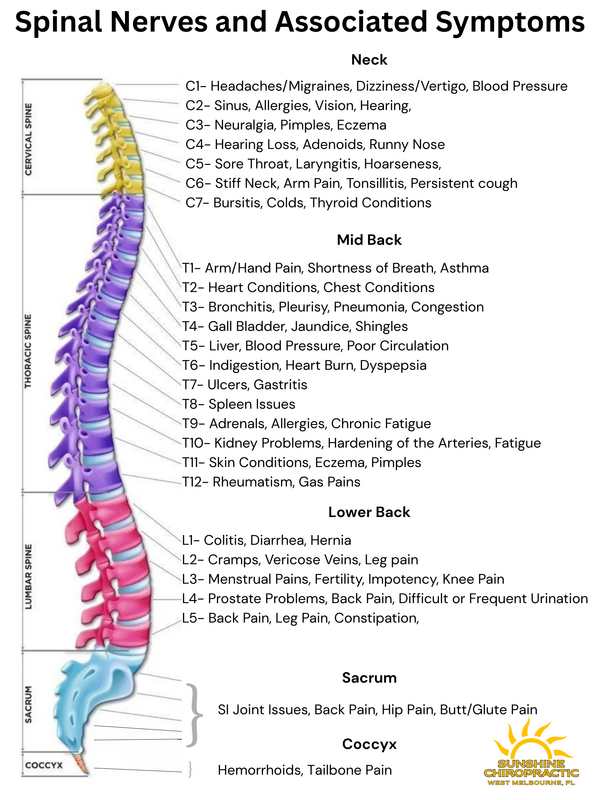
This is where chiropractic expertise really comes into play. When your head habitually slouches forward (common with prolonged computer use or smartphone gazing — "text neck"), your jaw shifts forward and upward to keep your eyes level, putting immense strain on the TMJ and surrounding muscles. Misalignments in the cervical spine can directly irritate nerves that supply the jaw and face. Addressing spinal alignment and posture can often be the crucial missing piece in resolving chronic jaw pain.
Beyond the jaw
How TMJ causes headaches and dizziness
Because of the intricate network of nerves, muscles, and structures in your head and neck, jaw problems can lead to a surprising array of secondary symptoms.
Headaches caused by jaw pain
One of the most common complaints from those with TMD is persistent headaches. The chewing muscles (masseter and temporalis) are powerful and can hold a lot of tension — which radiates into tension headaches around the temples, forehead, or back of the head; can act as a trigger increasing the frequency or intensity of migraine attacks; and can create referred pain felt in other areas of the head. If headaches are your main complaint, see our headache treatment page.
Does TMJ cause dizziness?
Yes — it might sound surprising, but TMJ can contribute to dizziness or a feeling of vertigo. The temporomandibular joint is very close to your inner ear, which plays a crucial role in balance. Theories suggest that inflammation, muscle tension, or nerve irritation from the jaw joint can impact the delicate structures of the inner ear or the vestibular system, leading to feeling lightheaded or off-balance, a sensation of spinning (vertigo), or even tinnitus (ringing in the ears) or ear fullness. For persistent spinning episodes, see our vertigo treatment page.
Treatment
How a chiropractor treats TMJ
Chiropractic care offers a specialized and highly effective approach to TMJ symptoms — particularly when muscle tension, joint misalignment, and referred pain from the neck and spine are contributing factors.
- Comprehensive assessment: we assess your jaw's movement, palpate the muscles of your jaw and face, examine your posture, and evaluate your cervical (neck) spine to identify all contributing factors
- Gentle jaw adjustments / mobilizations: precise, gentle techniques to improve joint alignment, restore proper movement, and reduce painful restrictions
- Soft tissue therapy: massage and myofascial release to alleviate muscle tension, reduce trigger points, and improve circulation in the jaw, face, and neck
- Cervical spine adjustments: misalignments in the cervical spine directly impact the muscles and nerves of the TMJ — neck adjustments relieve this strain
- Postural correction: guidance and exercises to fix forward head posture, taking pressure off your TMJ
- Personalized exercises & lifestyle advice: jaw mobility and strengthening exercises, plus practical advice — avoiding gum chewing and nail biting, stress management, dietary considerations during flare-ups
Many people ask "how to cure TMJ?" The truth is, TMD is a complex condition and a single "cure" is often elusive. Our primary goal is to provide significant relief from your symptoms, improve your jaw function, and help you manage the condition effectively for the long term — always prioritizing the most conservative, least invasive methods first. Our goal is not just temporary relief but to address the root causes of your TMJ symptoms.
Your first visit: an in-depth consultation about your health history and symptoms, a thorough examination of your jaw, neck, and posture, a personalized treatment plan explained step by step, and realistic expectations for recovery with self-care strategies.
Schedule your TMJ consultation →FAQ
TMJ questions, answered
Does TMJ cause dizziness?
Yes — TMJ can contribute to dizziness or a feeling of vertigo. The temporomandibular joint sits very close to your inner ear, which plays a crucial role in balance. Inflammation, muscle tension, or nerve irritation from the jaw joint can impact the inner ear or vestibular system, causing lightheadedness, a spinning sensation, or even tinnitus.
Can TMJ be cured?
TMD is a complex condition, and a single "cure" is often elusive. Our goal is to provide significant relief from your symptoms, improve your jaw function, and help you manage the condition effectively for the long term — always prioritizing the most conservative, least invasive methods first.
How does a chiropractor treat TMJ?
Chiropractic care for TMJ includes a comprehensive assessment of jaw movement, muscles, posture, and the cervical spine; gentle jaw adjustments and mobilizations; soft tissue therapy for the jaw, face, and neck; cervical spine adjustments; postural correction; and personalized exercises and lifestyle advice.
You don't have to live with
jaw pain.
Ready to find out what's really causing your jaw pain? That's what the $29 first visit is for — a comprehensive evaluation and a personalized plan.
Book your $29 first visit →